
The Collector
September 25, 2026
What Lessons Can We Learn From a Tragedy?
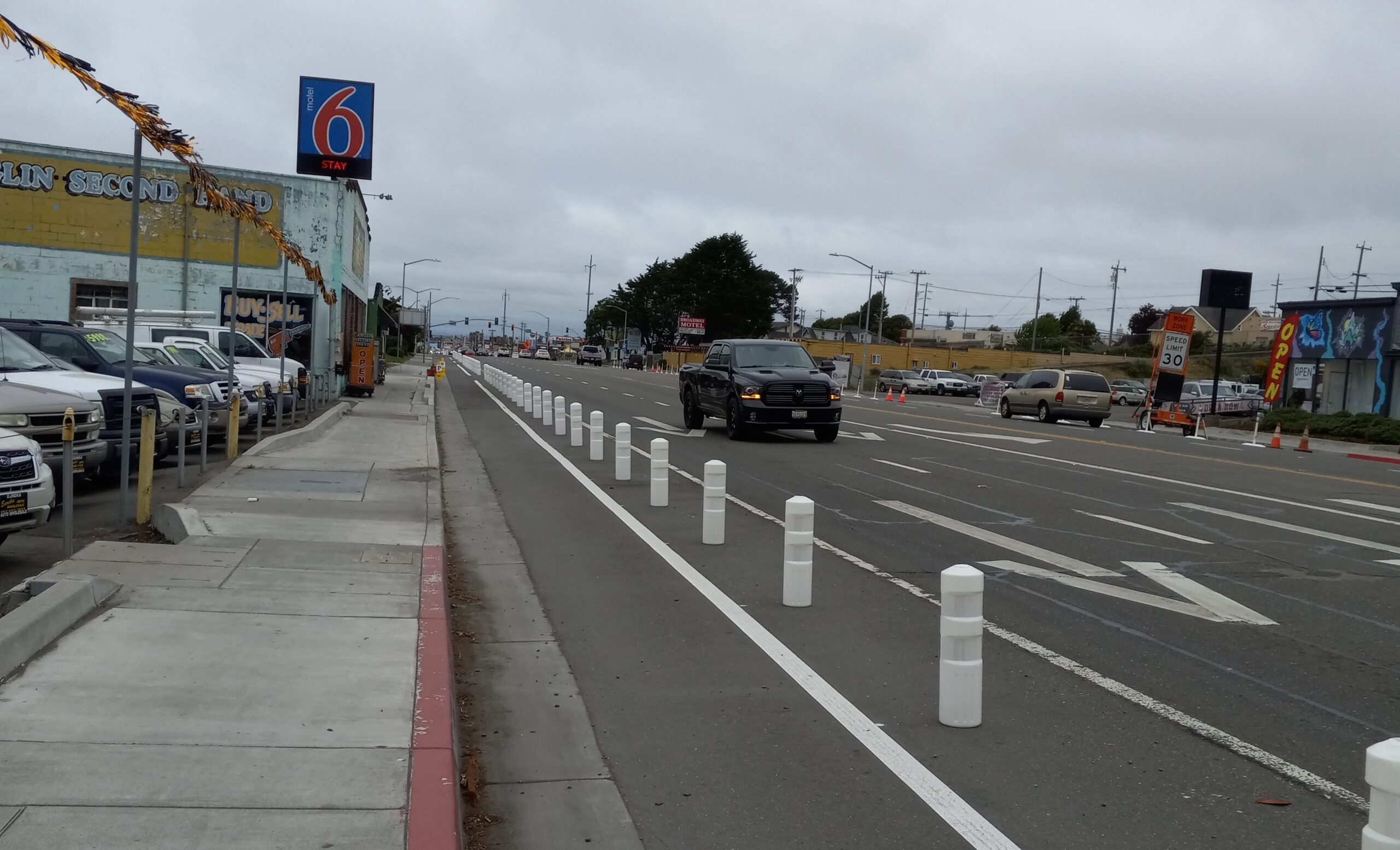
This week, we mourn the death of Ronnie Franklin, the 20-year-old McKinleyville resident and Caltrans contractor who died while helping build new bike and pedestrian safety improvements on Broadway in Eureka. Selah Town allegedly hit Franklin with a large GMC Yukon SUV after driving through safety cones into the construction zone where he was working. Town is alleged to have been driving drunk while on probation for a previous DUI conviction.
We are sick of reporting tragedies like this on our local streets and roads. While we remember Ronnie Franklin today, we also revisit what happened to draw lessons about how to prevent something like this from happening again. Here are some lessons we can take from what we know so far:
- Pedestrians and bicyclists need real protection from speeding drivers. A better safety system is needed for temporary construction zones. And for permanent infrastructure on high-speed roads, plastic does not provide enough protection for vulnerable road users.
- Vehicles need to be designed for pedestrian safety. The vehicle that hit Ronnie Franklin was over 5,500 pounds and more than 6 feet tall, with a high, blunt front end – a design that increases the risk of pedestrian death by almost 50% in a crash.
- Ignition interlock devices should be in more vehicles. California has systematically failed to keep dangerous drivers off the road, even after multiple offenses. One of the many problems: unlike most states, California does not require ignition interlock devices for first-time DUI offenders. A recent bill to change that was gutted by state legislators just last month. If you’ve been convicted of drunk driving, you should be required to use this technology to keep you from doing it again. In fact, why isn’t this technology standard in all new vehicles to keep anyone from driving drunk at all?
- Better design, public transit, and better zoning are needed to make streets safer. Until ignition interlock devices are installed in all vehicles, we won’t be able to keep all drunk drivers off the road. But there are things we can do to reduce the number of drunk drivers, and reduce the chances that they kill someone. Better public transit service can provide more attractive options for intoxicated people to get where they’re going without getting behind the wheel. Zoning rules can prohibit bars and other alcohol-serving establishments in places that are only reachable by car. And traffic-calming designs that work at a subconscious level, like narrower lanes, could slow intoxicated drivers too, decreasing the risk of tragedy.
Transit Month Isn’t Over Yet!
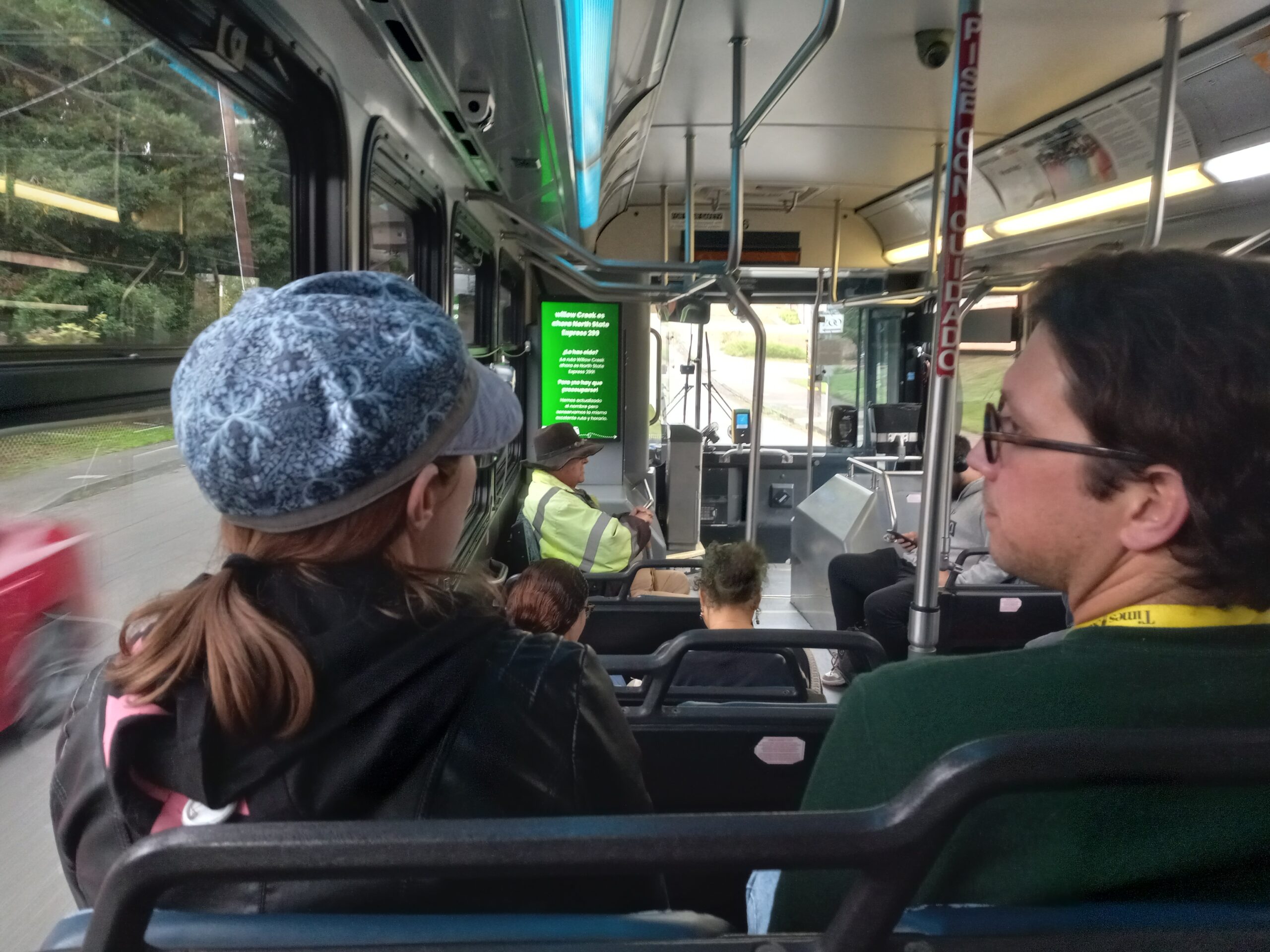
You still have a few more days to log your transit rides for a chance to win prizes donated by the Humboldt Transit Authority. Every ride you log is like a ticket in a raffle, increasing your chances of winning. We’ll be picking the winners after September 30th.
There’s also still plenty of time to participate in the annual Unmet Transit Needs process, which provides an opportunity to get your observations and opinions about the need for specific transit service improvements documented in the official record. You can provide your input using the survey here.
As soon as Transit Month ends, the Week Without Driving starts. So even if you’ve never ridden the bus, this is a great time to start! The Humboldt Transit Authority has a helpful new video telling you everything you need to know.
Want to take your transit support to the next level? HTA is looks for folks to join the friendly crew of local bus drivers getting people where they need to go!
Could Eureka’s Next Housing Developer Be You?
Eureka is looking for land owners who might be interested in building new housing over the next several years. If you own some vacant land or an underutilized parking lot, you can contact the city to register your property. It doesn’t commit you to building anything, but it does help the city plan for more walkable, transit-friendly housing in the future.
Eureka City Council Candidates Have a Lot to Say About Bikes
As we previously reported, one city council candidate has been talking a lot about biking since announcing his campaign, and another has identified as a nondriver and bicyclist. Now, even more candidates are weighing in on bike infrastructure, particularly the new C Street Bike Boulevard.
In the E-Bike Debate, Facts Matter
The Eureka Police Department is in the midst of a crack-down on e-bike riders, and they have repeatedly stressed that they want to educate the public about the relevant rules and regulations. In this heightened environment, it’s particularly problematic when EPD broadcasts misinformation about e-bikes and their riders.
This week, police arrested a 15-year-old riding (apparently) an e-bike on the sidewalk in Eureka. In the press release about the arrest carried by local media outlets, EPD incorrectly equated Class 3 e-bikes with e-motos and falsely asserted that a driver’s license is required to ride a Class 3 e-bike. In fact, the press release repeatedly calls the teen in this case a “driver,” rather than a bike rider. After CRTP and others pointed out the errors, at least one local media outlet corrected some of these misstatements.
Another misleading aspect of the EPD press release remained unaddressed. The release states that the teen was arrested for, among other things, “reckless driving,” and suggests that “riding on a sidewalk where prohibited” might be a contributing factor. In fact, in Eureka, sidewalk riding is only prohibited downtown and in Henderson Center, neither of which was the location of this incident.
News from Beyond the North Coast
Trump’s Transit Cuts Would Hit Rural Areas Hardest
Rural transit agencies rely more heavily on federal funding than big urban systems. And small town systems with more federal investment generate a lot more ridership.
Driveways and Parking Lots Are Dangerous, Too
When we talk about the problems with parking lots, we usually focus on all the land they take up that could otherwise be used for homes or businesses. But parking lots and driveways are also the site of up to 1,000 motor vehicle-related deaths in the US each year. The federal government, however, doesn’t include these deaths in its traffic safety figures, because they occur on private property. Since most of those deaths are likely pedestrians, that means a significant portion of pedestrian fatalities go unreported.
“The Most Expensive Trip Is the One You Could Have Walked”
There’s been a lot of discussion about high fuel prices in the media recently. But few commentators have noted the fact that Americans wouldn’t be so hard hit if they had other options to get around.
The Collector is CRTP’s weekly transportation news roundup, published every Friday. We focus on North Coast news, but we also include relevant state, national and international transportation news – plus other items that we just find kind of interesting! To submit items for consideration, email colin@transportationpriorities.org.