
The Collector
October 2, 2026
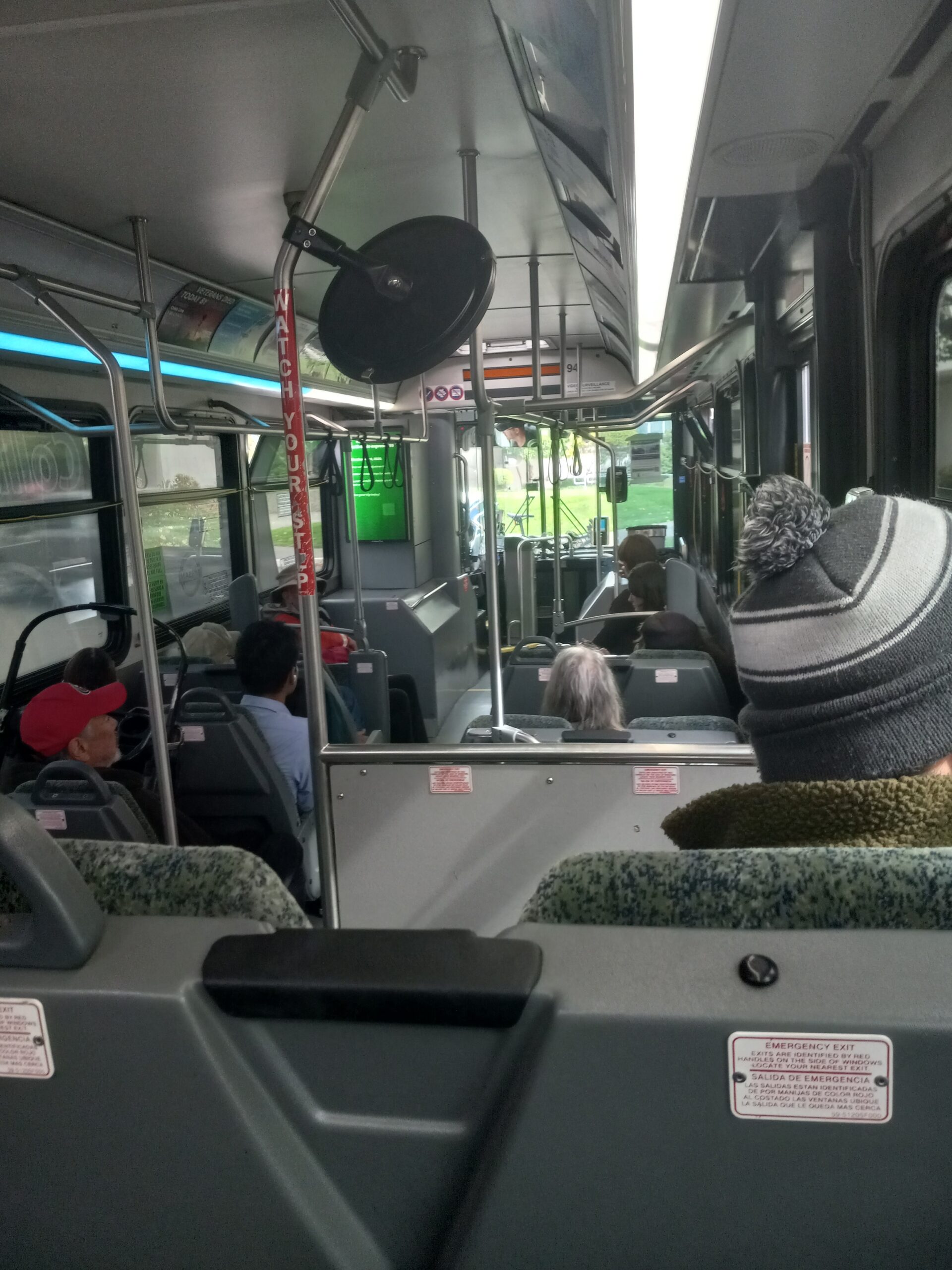
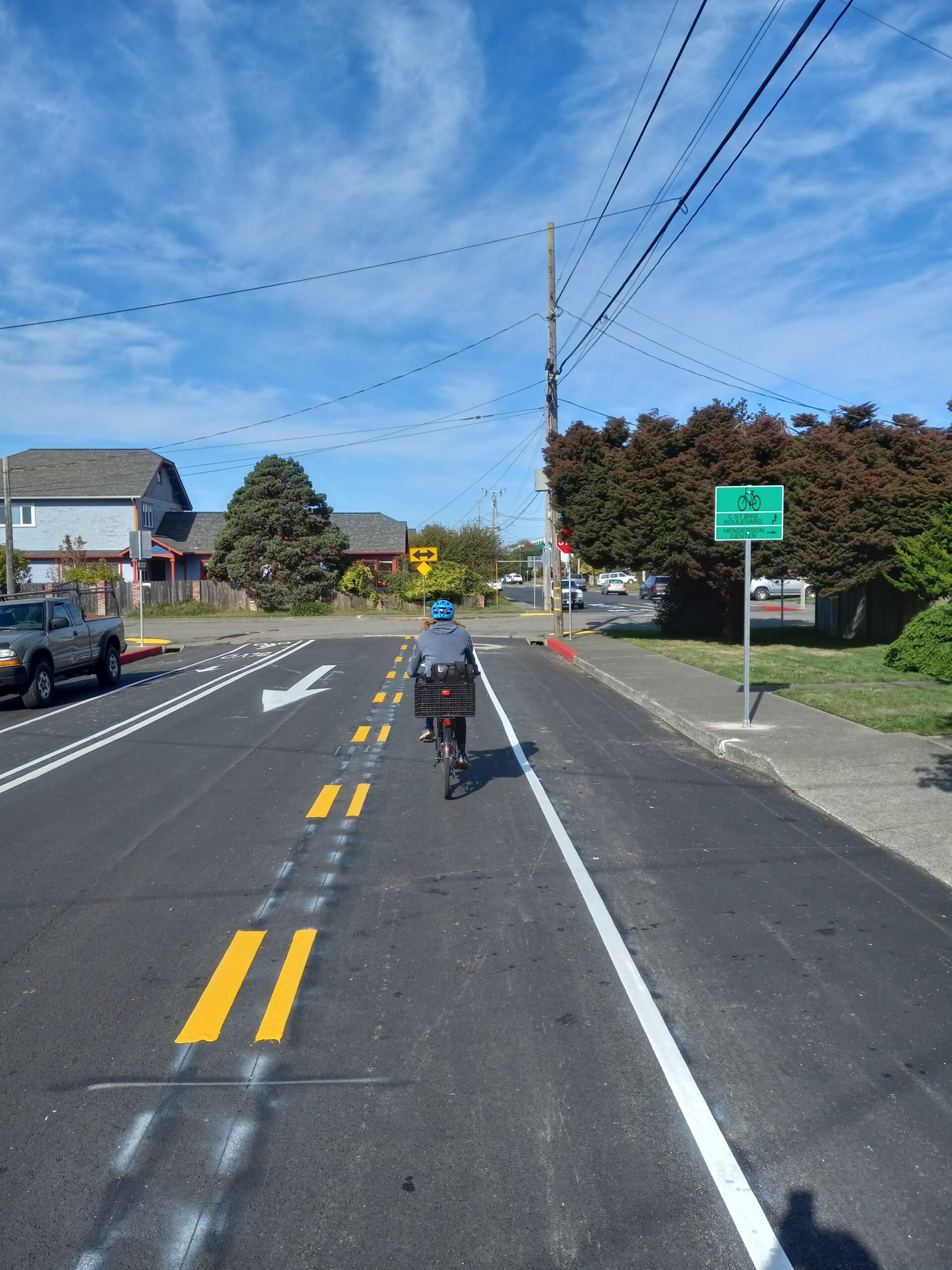
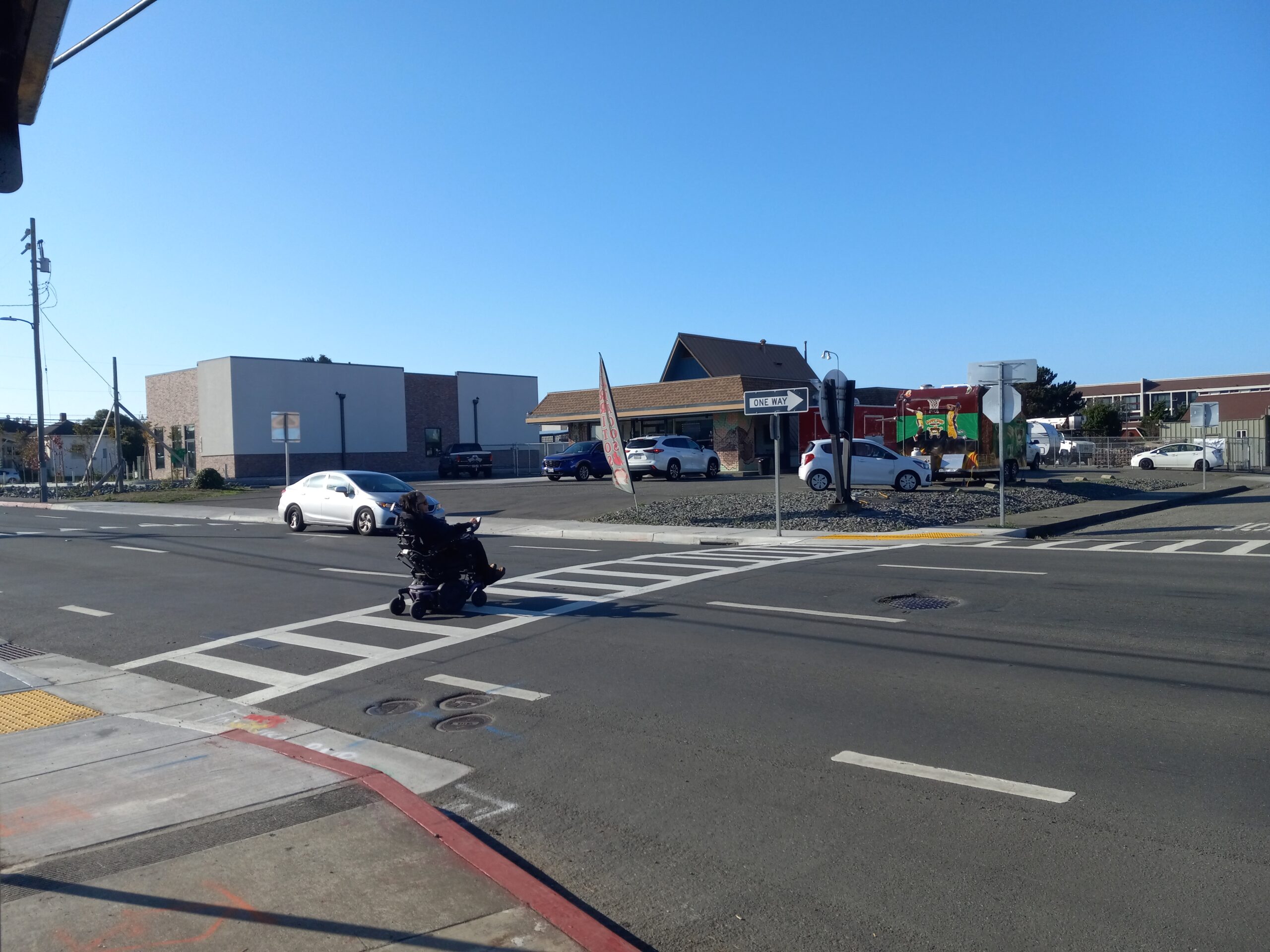
It’s the Week Without Driving!
The Week Without Driving started yesterday and runs through next Thursday. Participants challenge themselves not to drive a car for as much of the week as they can. If you drive during the week, you’re encouraged to reflect on why you drove, and what you would have done if you didn’t have that option. More than 40 people in Humboldt County have signed up to participate this year, including many elected officials, public agency staff, and other community leaders.
This year’s Week Without Driving comes at a particularly challenging time for nondrivers, including many people with disabilities, kids, older people, immigrants, people with suspended licenses, and people who can’t afford to own or operate a vehicle. Consistently high gas prices in recent months have put driving out of reach for even more people.
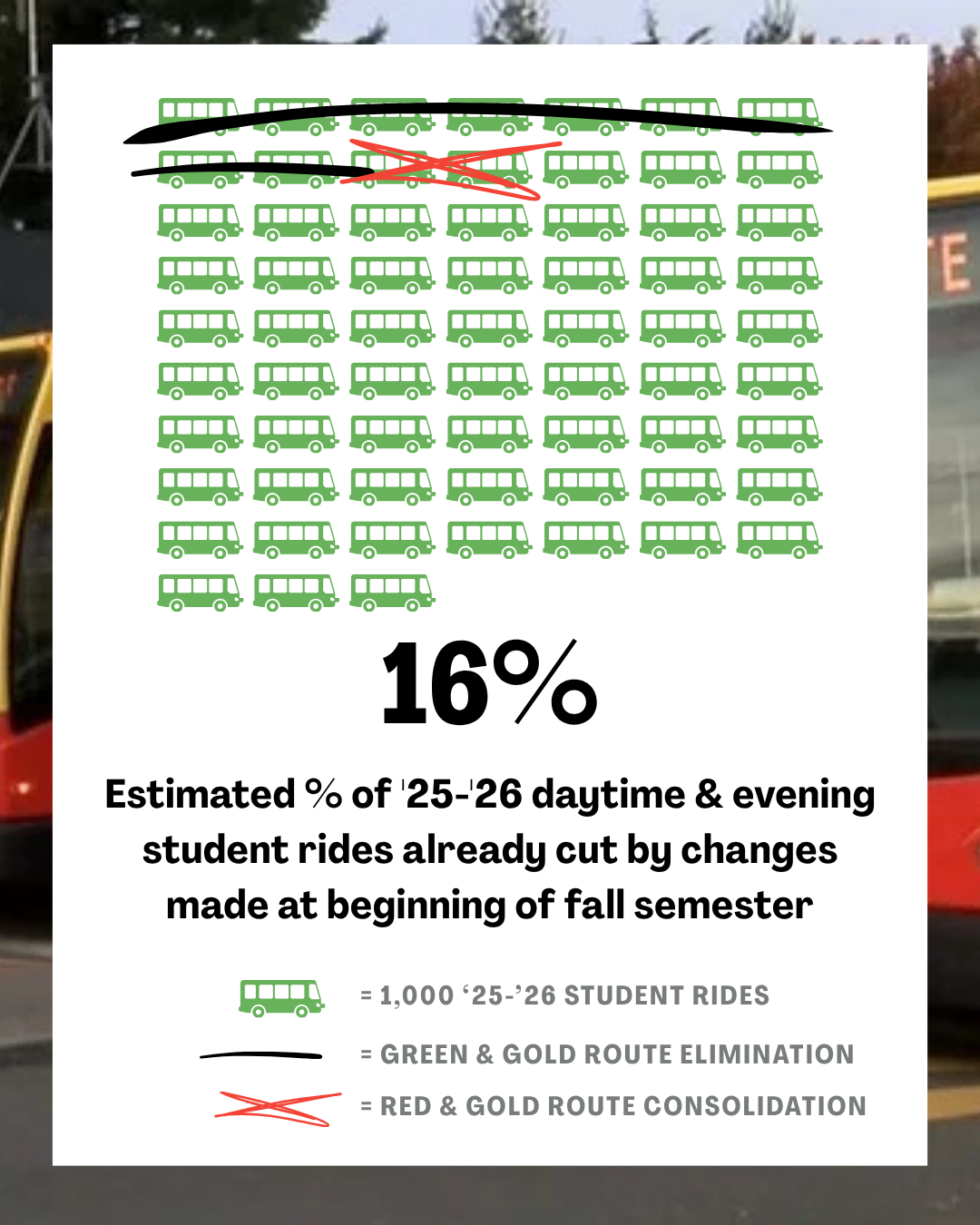
At the same time, funding for public transit service is under threat at many levels. There have been recent bus service cuts in Arcata due to loss of funding from Cal Poly Humboldt, and the university may withdraw its longstanding funding for all evening bus service in Arcata. The San Joaquin Joint Powers Authority is facing financial challenges operating the Amtrak bus route that serves the county. Recent changes to California’s Cap and Invest program are predicted to all but eliminate several transit funding programs that local agencies have relied on in recent years.
Meanwhile, the transportation bill being debated in Congress would result in substantial reductions in transit funding, and the Trump administration has proposed cutting virtually all federal funding for transit.
If you’re noticing local unmet transit needs – whether in your daily life or during your participation in the Week Without Driving – you can attend a Eureka City Council hearing next Tuesday to report your experiences. There will be more hearings in other communities in the coming weeks, and you can also provide your input using the survey here.
Arcata Council Candidates Talk Housing
How and where new homes are built is a crucial factor in how walkable, bikeable, and transit-friendly our communities will be in the future. It was also the main topic addressed by Arcata city council candidates at a recent forum.
Progress Report on Local Bike & Pedestrian Improvements
CRTP advocates for big, systemic changes to ensure that our transportation system is safe, equitable, and climate-friendly. But small, local improvements can also make a big difference in local neighborhoods and communities, and we advocate for those too! Here are a few updates from around Humboldt County:
- New crosswalks, flashing signage, and accessible curb ramps are being installed this week at several intersections in McKinleyville and Redway. We’re happy to see these improvements, although we’re disappointed that the curb ramps do not follow best practices for people with disabilities, as we had advocated.
- The city of Eureka says it will be installing some bike improvements as well as curb extensions, curb ramps, and new sidewalk for pedestrians on parts of N, 2nd, and Harris Streets as part of its annual repaving project. The inclusion of these safety improvements is the result of the city’s Complete and Green Streets Policy, which CRTP worked hard to get adopted several years ago.
- Arcata’s city engineer will be giving an annual update on the implementation of Arcata’s Complete Streets Policy at the city council meeting next week. That policy is the result of CRTP’s advocacy too!
News from Beyond the North Coast
Transportation Bills Good & Bad Signed by Governor
A number of transportation-related bills will become law soon after Governor Newsom signed them this week. Those bills include some priorities for transportation advocates, like SB 1167, which will help prevent e-motos from being deceptively sold as e-bikes and encourage better data to inform the e-bike debate, and AB 1976, which will make it easier for communities to add traffic-calming features and harder to cancel planned bike improvements.
Unfortunately, the governor also signed AB 2059, which exempts transportation projects in rural counties from having to analyze their impacts on driving. The bill ignores academic research demonstrating that, just like in urban areas, rural projects that make it quicker and easier to drive lead to more vehicle miles traveled.
“A Community Member Was Killed Here”
Spokane, Washington has become the first city in the US to implement an Emergency Streets program. The city now intervenes immediately after a deadly crash to slow traffic in the area and investigate ways to prevent the same thing from happening again in the future.
Typical Pedestrian Safety Advice Just Doesn’t Cut It
Public messages to pedestrians like “look both ways before you cross the street,” “make eye contact with the driver,” and “only cross at a crosswalk” fail to acknowledge the realities facing pedestrians and do not keep them safe. And because we put the burden of avoiding a crash on pedestrians, as Smart Growth America CEO Beth Osborne points out, we’re basically telling people who walk or roll: “Be very, very careful because if you are hit, it will be your fault.”
The Collector is CRTP’s weekly transportation news roundup, published every Friday. We focus on North Coast news, but we also include relevant state, national and international transportation news – plus other items that we just find kind of interesting! To submit items for consideration, email colin@transportationpriorities.org.