The Collector
April 3, 2026
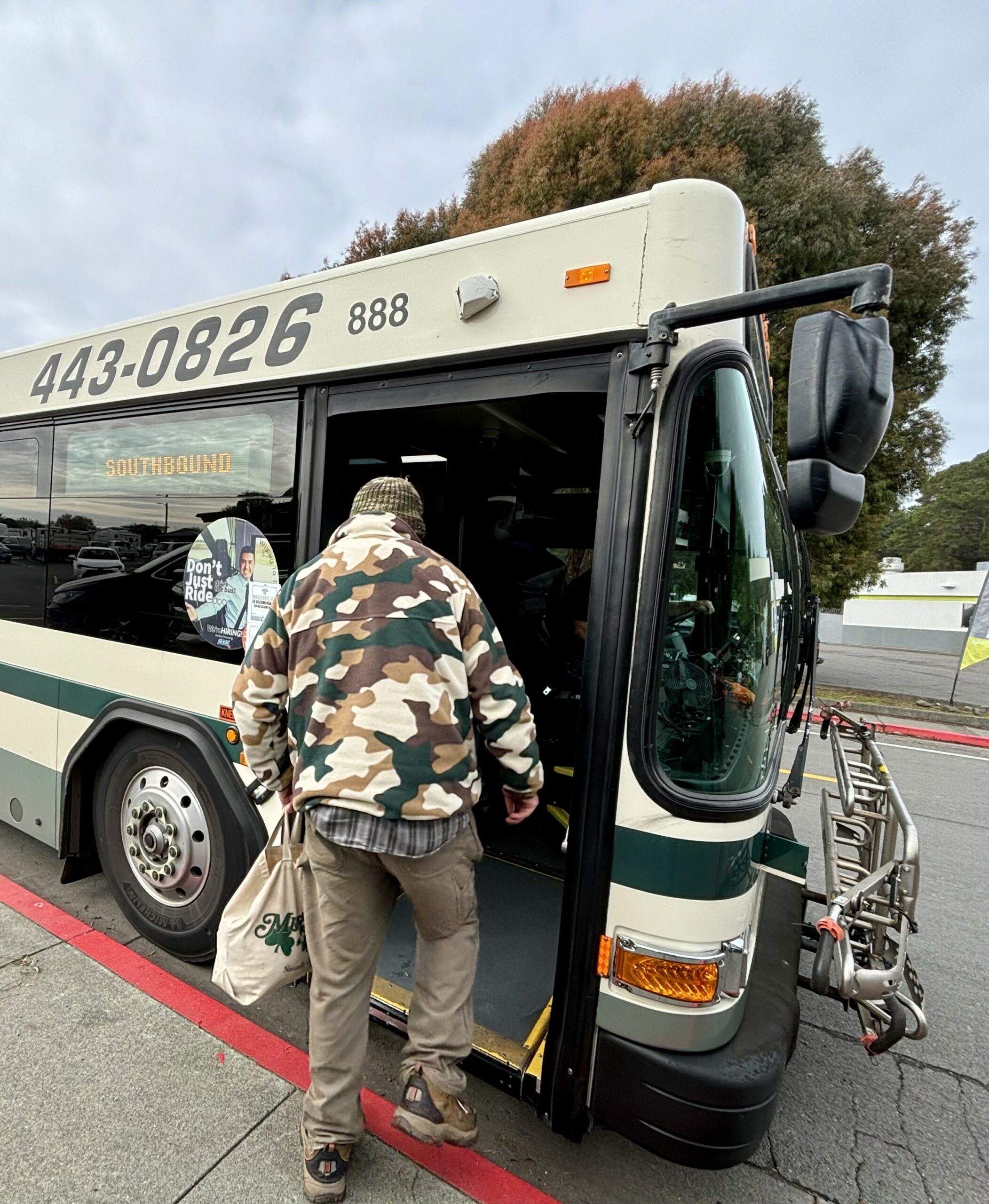
Share Your Transit Story
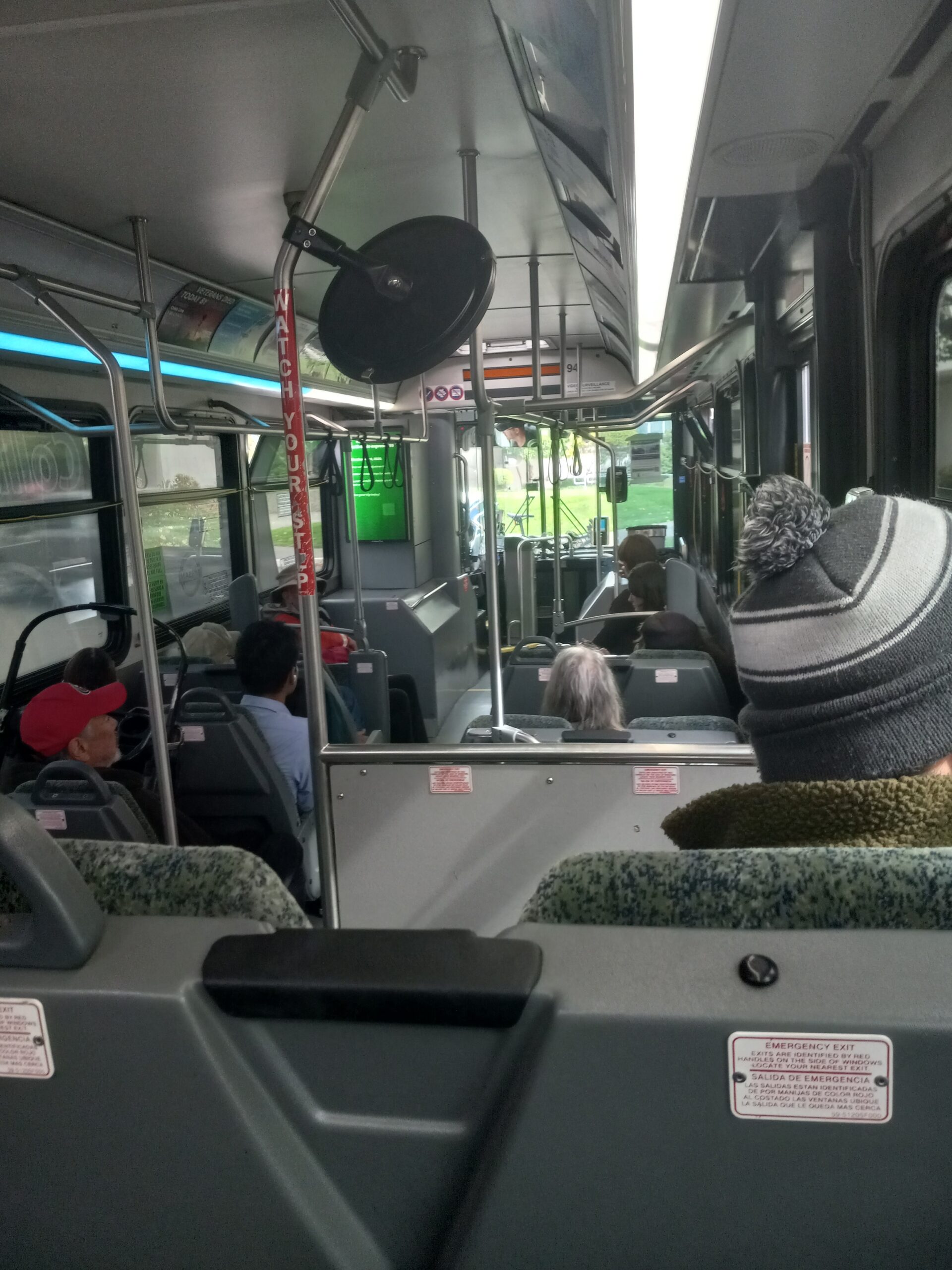
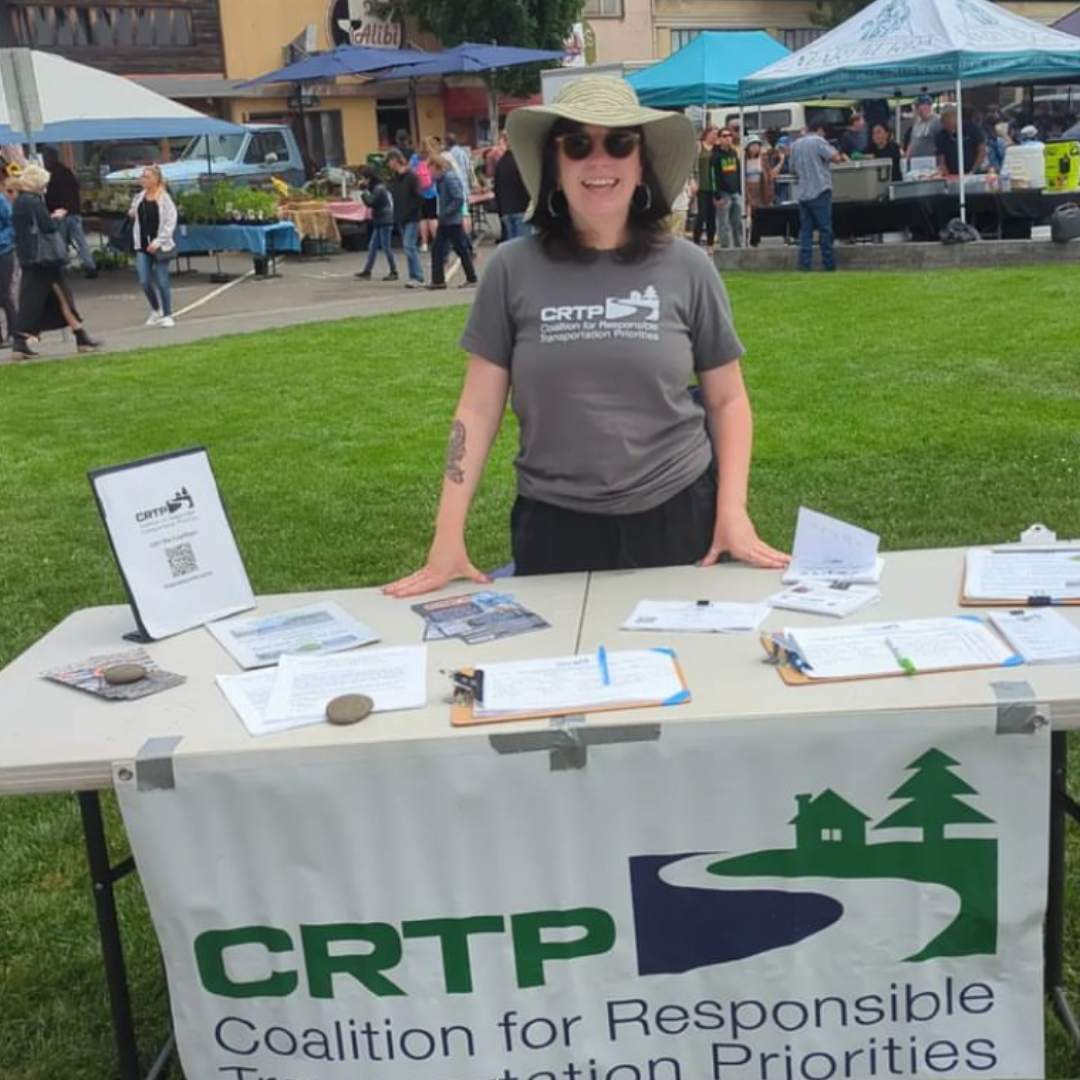
CRTP is collecting stories about the importance of public transit to people on the North Coast. If you are a transit rider, we want to hear from you about the importance of public transit in your life. We’re looking for just a paragraph or two about why you ride, how transit makes your life better, what you couldn’t do without it, how it could be better with more public support, and any other thoughts you want to share. We’re hoping to share some of these stories publicly as we work to build support for more transit investment in our region.
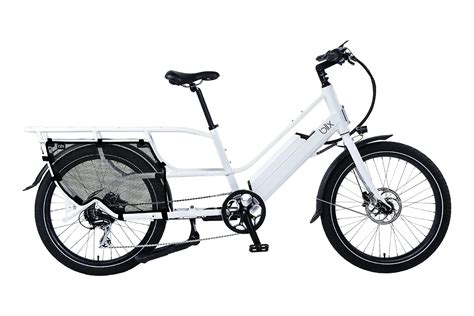
To show our thanks for sharing your stories with us, the first five people to send us their transit stories will each get a free ticket for CRTP’s current raffle of a dual-battery BLIX cargo e-bike! Just email your story to kelsey@transportationpriorities.org, and we’ll get a raffle ticket for you!
Of course, you can also buy raffle tickets without sending us a transit story. Tickets are $5 each or 5 tickets for $20, and all proceeds benefit CRTP. To buy tickets, email cemone2@reninet.com or contact any CRTP Board Member. The drawing will be May 1st – the first day of Bike Month!
The Richardson Grove Fight May Finally Be Over
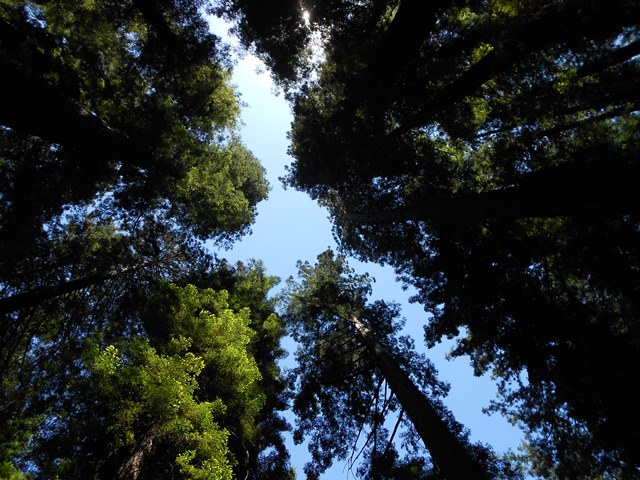
19 years after Caltrans publicly proposed a highway expansion through Richardson Grove State Park, and 15 years after the first lawsuit was filed against the project, a panel of judges has ruled against EPIC and other plaintiffs in their latest challenge to the project’s environmental review. This decision may mark the end of the long-running fight over the project. Caltrans has said it intends to start construction soon, and the California Transportation Commission has already allocated millions of dollars to spend on it.
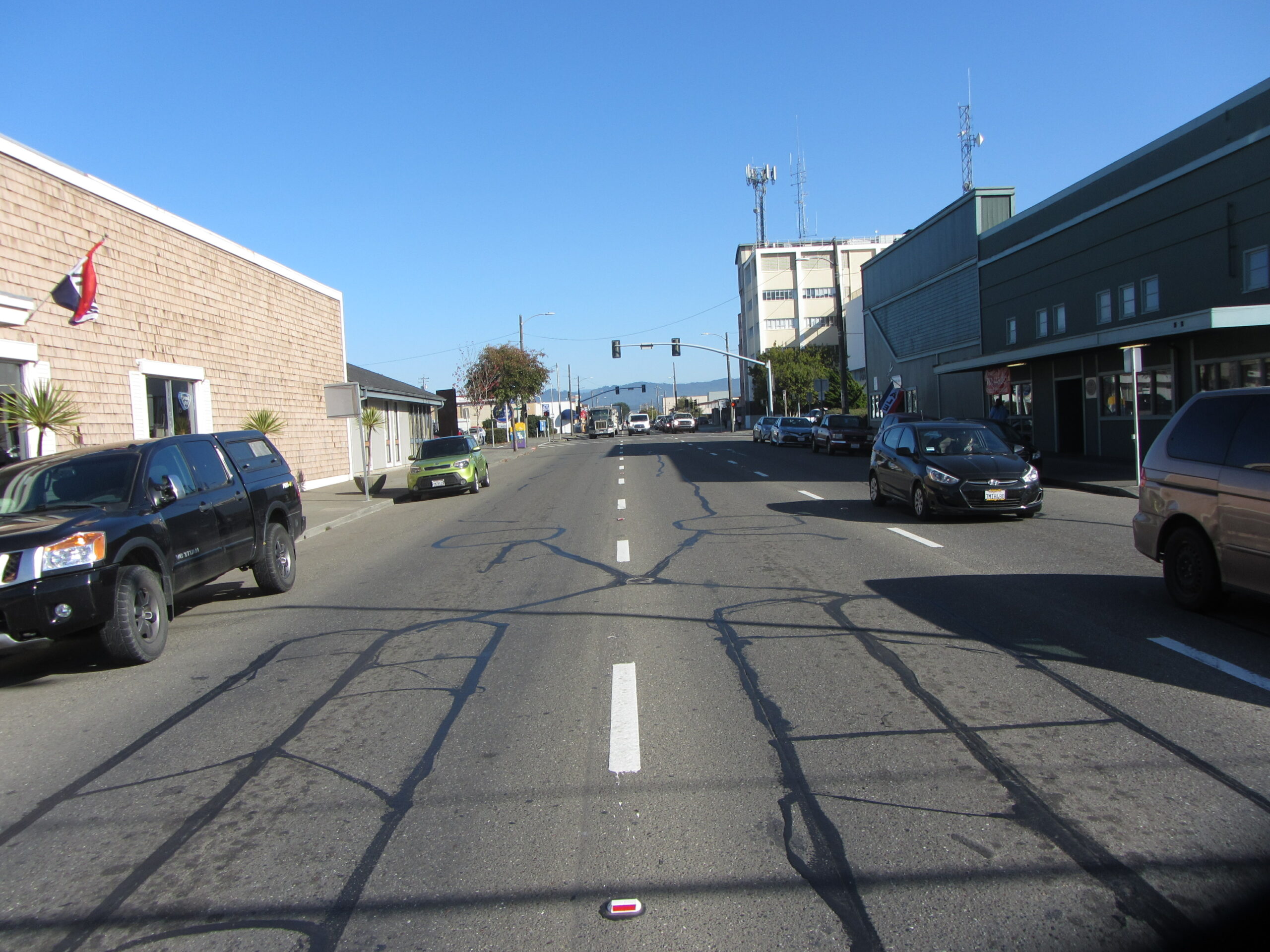
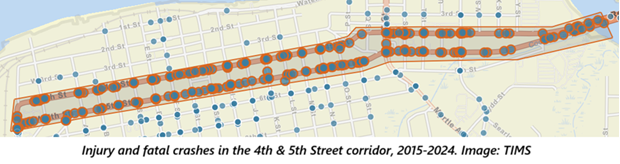
CRTP is eternally grateful to EPIC for leading the fight against the Richardson Grove project for so many years. And we are deeply disappointed that Caltrans continues to pursue this completely unnecessary, damaging project, at a time when there are so many real and urgent needs on other parts of the state highway system. The fact that Caltrans continues to disingenuously call this a “safety project,” while refusing to fund real safety projects in places where people are actually dying on their highways – like Broadway, 4th and 5th Streets in Eureka – is especially discouraging.
For CRTP, this is personal. Our organization was founded in 2015 by people who were already, by then, veterans in the fight against the Richardson Grove project. The misguided transportation priorities epitomized by this project were the inspiration for starting an organization dedicated to promoting responsible transportation priorities – priorities like safety, equity, and sustainability. We will keep fighting, along with our allies, to ensure that Caltrans and other agencies do better in the future.
Join More Than 500 of Your Friends and Neighbors!
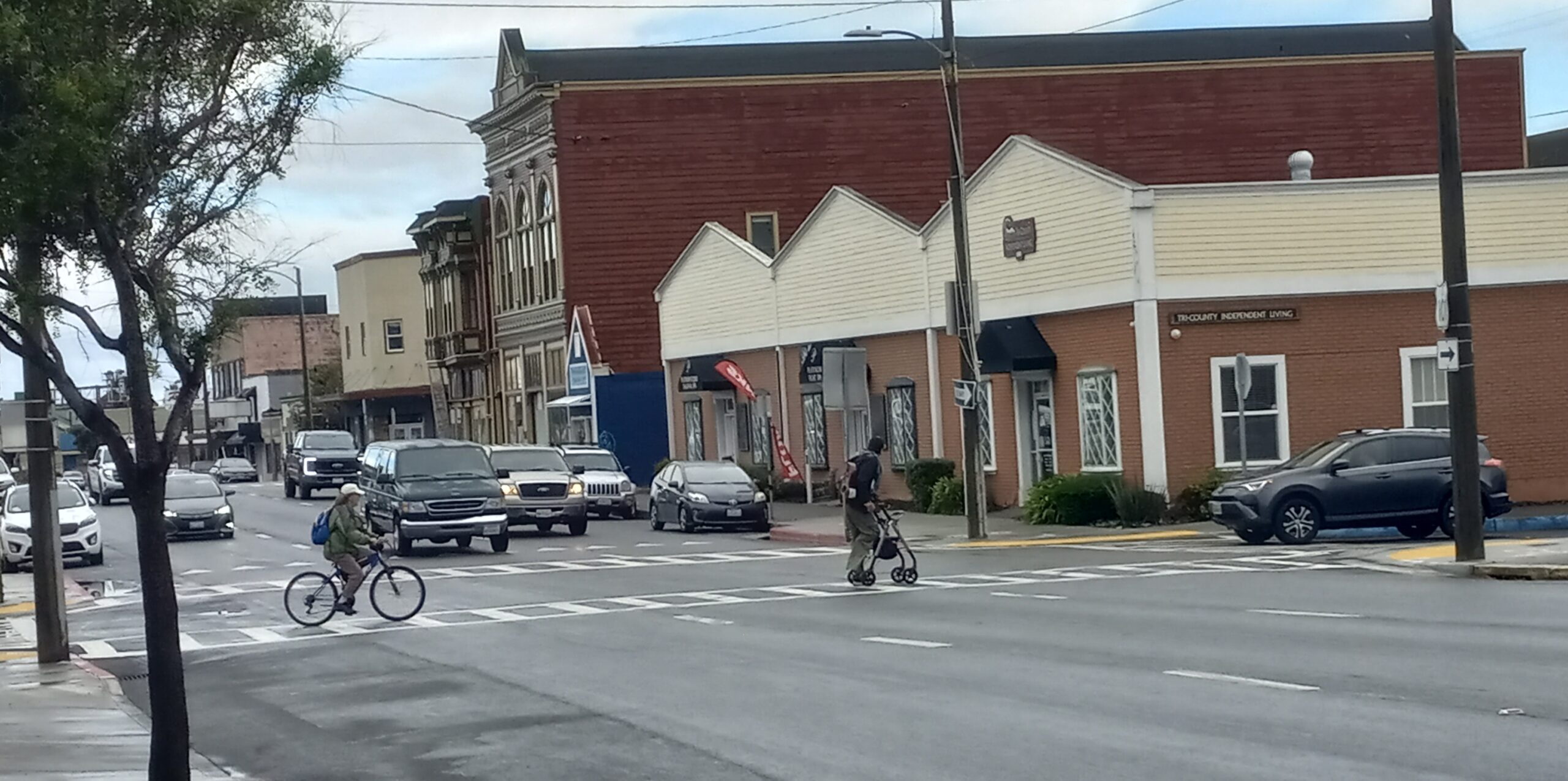
Humboldt County is rallying in support of a major safety overhaul for Eureka’s 4th and 5th Streets. More than 500 residents of Eureka and other local communities have signed our petition for safer 4th and 5th Streets so far. Organizations and public officials have been endorsing the petition as well, including 4 out of 5 Eureka City Councilmembers, and organizations like Tri-County Independent Living and the Area 1 Agency on Aging. Have you signed the petition yet?
E-Bikes Are Not a Problem – They’re a Solution
E-bikes empower more people to get on bikes, to ride longer distances, and to carry more stuff. That in turn allows people to drive less and bike more, which makes our streets safer, our environment cleaner, and our planet more livable. And as more safe, long-distance bike infrastructure becomes available, the opportunities for e-bikes are expanding even more.
But e-bikes are often unfairly blamed for safety problems they’re not really causing, which is fueling a wave of “bikelash” in many communities. CRTP Executive Director helps set the record straight in a recent Times-Standard op-ed.
Eureka City Council to Consider Transit Hub Funding, Transportation Safety
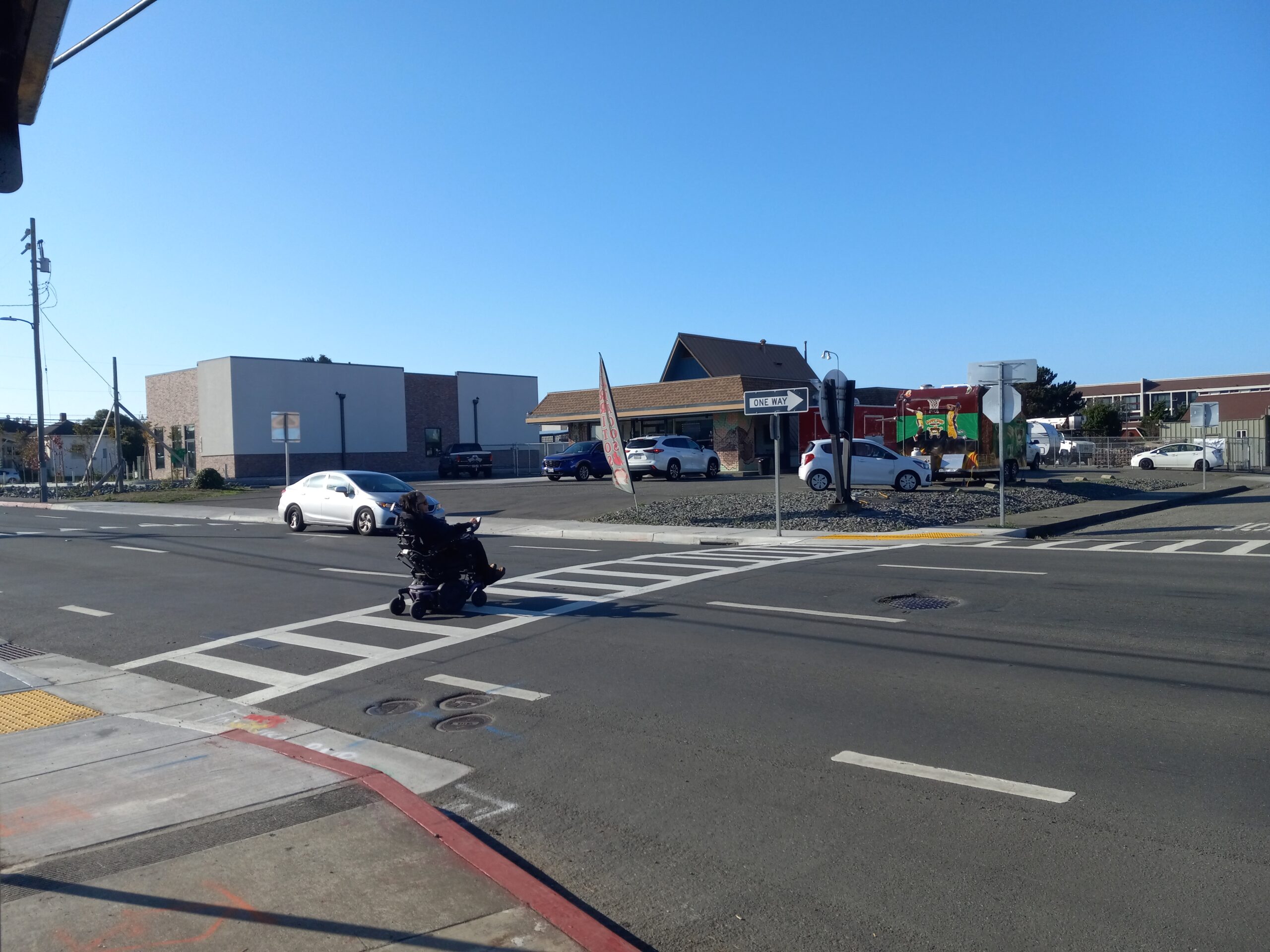
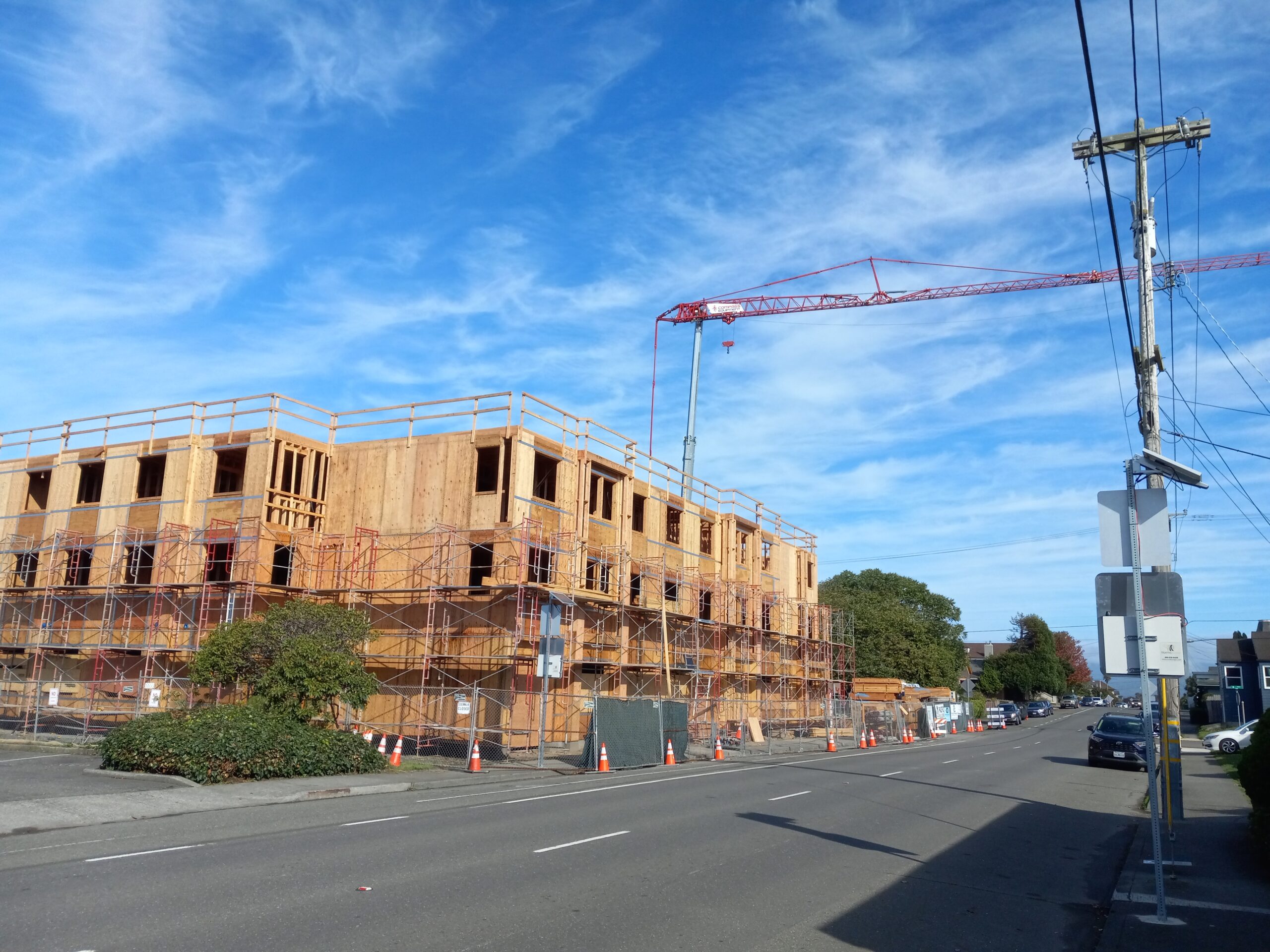
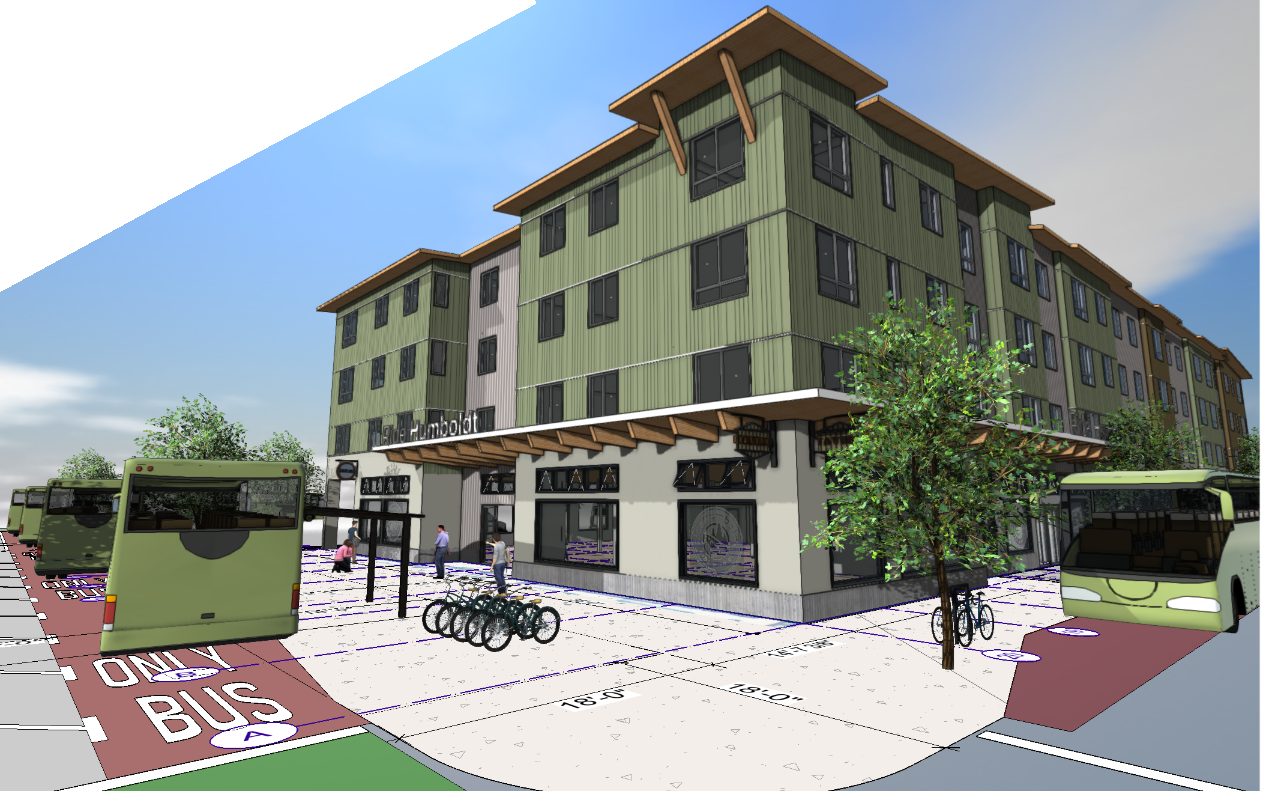
At its regular meeting next Tuesday, the Eureka City Council will hold a hearing and vote on approval of bond funding for the long-awaited Eureka Regional Transit and Housing Center (EaRTH Center). The hearing is largely a formality, and CRTP is eager to see the financing finalized and the new transit hub under construction.
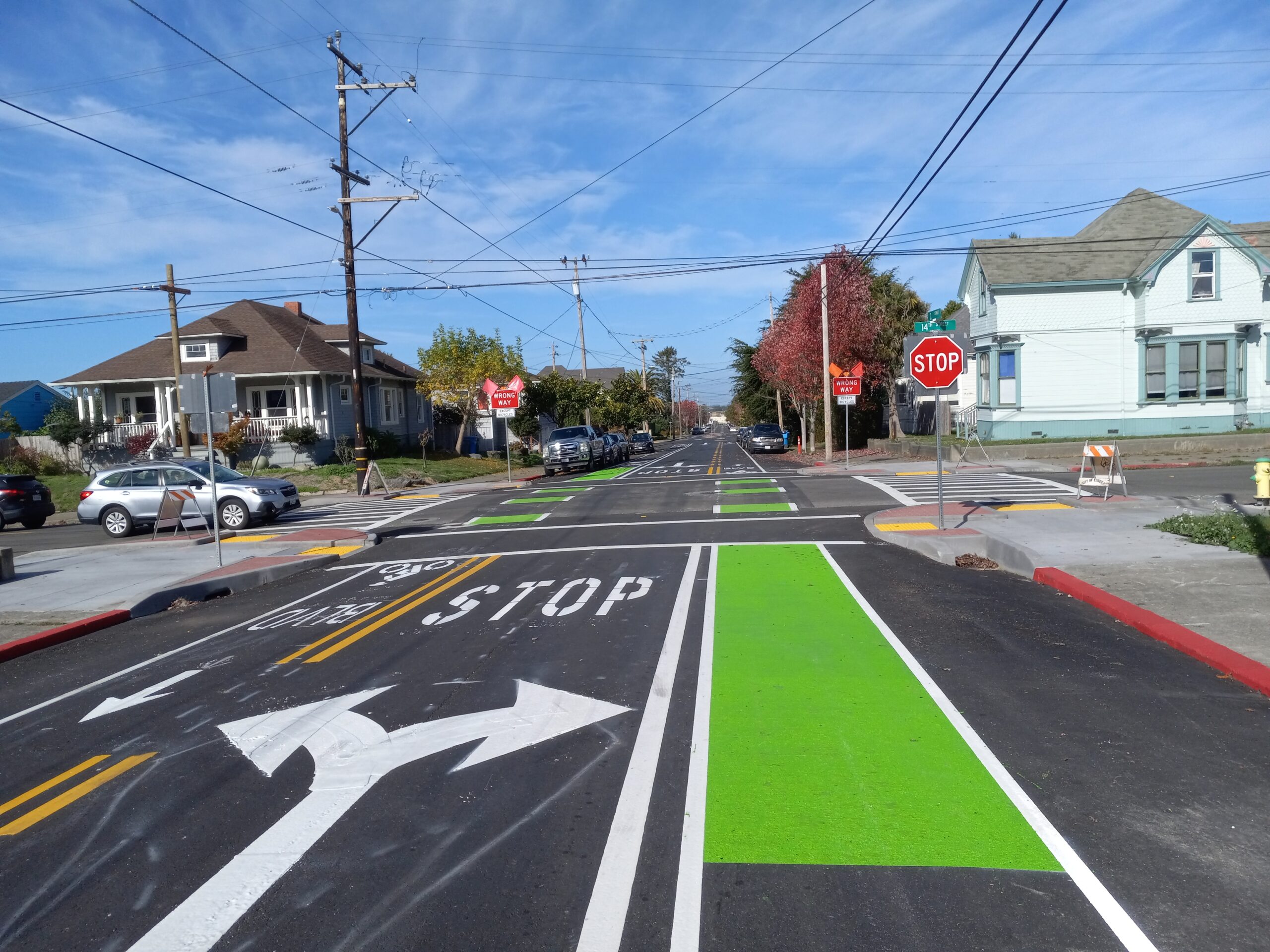
Later in the meeting, the Council will hear a report on the city’s “transportation safety protocols.” CRTP has been urging Eureka and other local governments to adopt the Emergency Streets protocol, which calls for immediate intervention after a fatal crash to lower speeds at the crash site and investigate changes to prevent future crashes. We plan to take this opportunity to continue to advocate for this common-sense protocol.
News from Beyond the North Coast
Proposed Legislation Would Transform Process for Bike & Pedestrian Projects
AB 1976, introduced by Assembly Member Buffy Wicks of Berkeley, would dramatically change how new bike and pedestrian safety projects are approved in California. Instead of holding separate hearings for each project, local governments would be required to just go ahead and build the projects with no hearings, as long as they are already included in their general plans. This is intended to prevent the endless local fights that often delay or stop important safety projects. However, some advocates worry that it could also reduce opportunities to provide input that actually improves project design. CRTP will be watching this bill closely.
We Need to Cap Vehicle Size
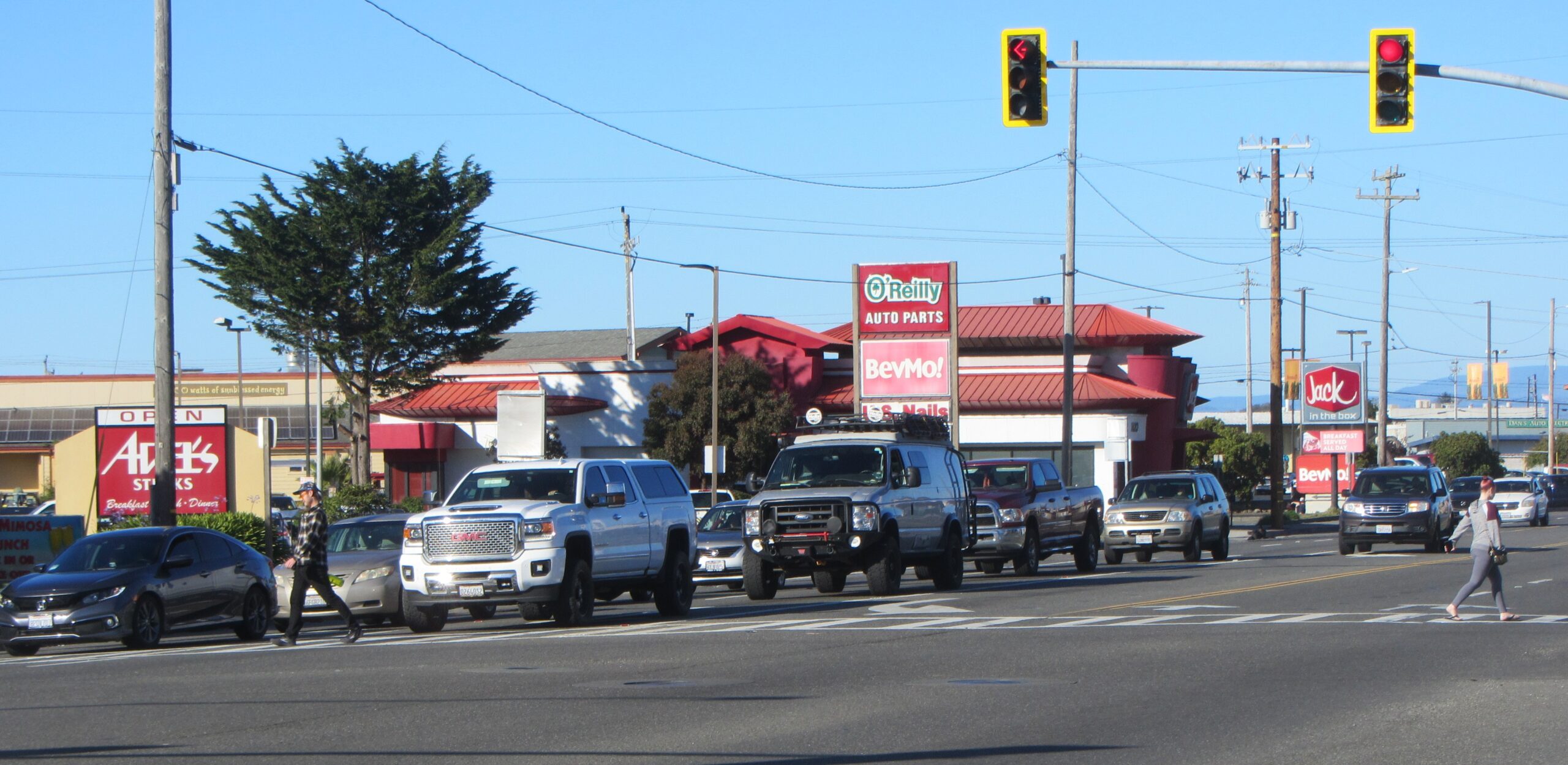
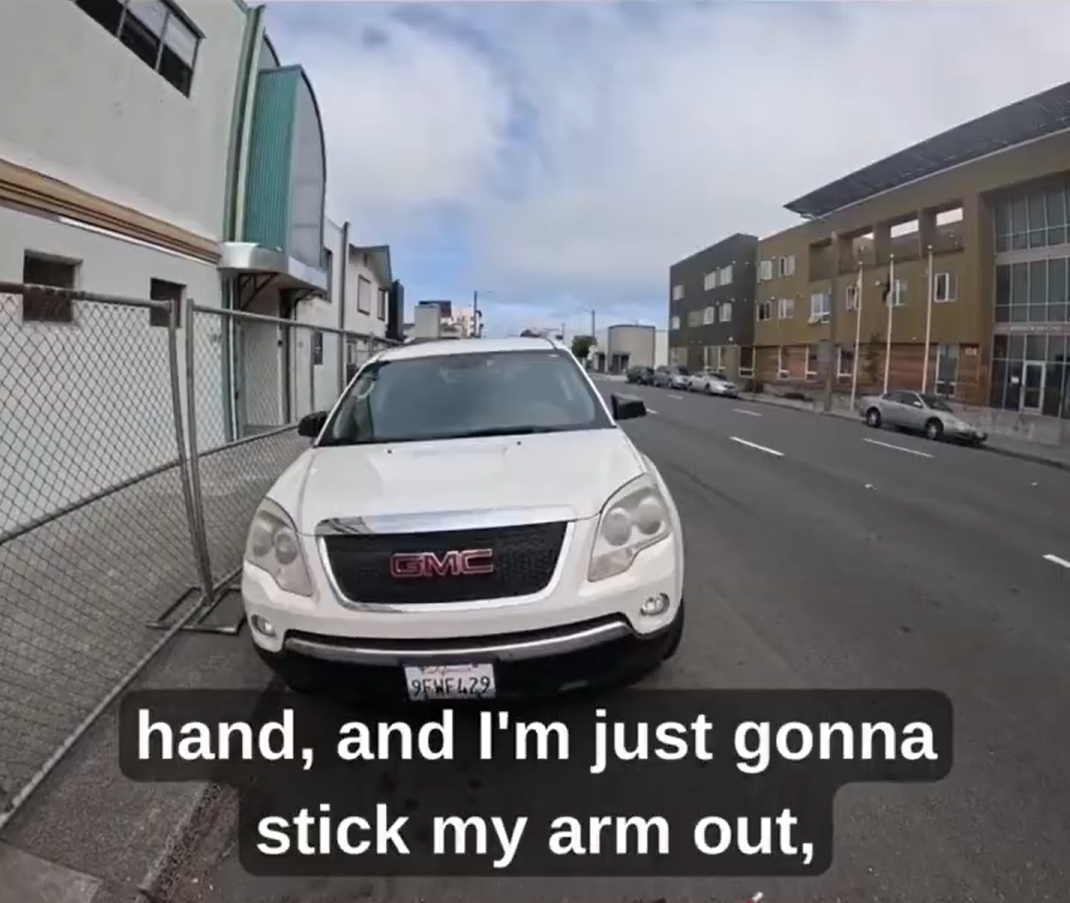
A new study finds that capping vehicles sizes – in other words, stopping the trend toward ever-bigger cars, SUVS, and pickup trucks – will be a critical component of any effective plan to reduce road deaths and address the climate crisis.
The Collector is CRTP’s weekly transportation news roundup, published every Friday. We focus on North Coast news, but we also include relevant state, national and international transportation news – plus other items that we just find kind of interesting! To submit items for consideration, email colin@transportationpriorities.org.

![A video screen shot shows a pickup truck looming large next to a sidewalk, with an intersection and traffic light visible in the background. Text reads "Would the driver even e able to see the child in front of or behind their truck?" and a caption says "[child making sounds]".](https://transportationpriorities.org/wp-content/uploads/2025/10/Screen-shot-from-6-year-old-video.png)