
The Collector
February 13, 2026
Speak Up: Regional Transportation Plan Up for a Vote Next Week!
The Humboldt County Association of Governments (HCAOG) will bring the latest Regional Transportation Plan update to its board for a vote next Thursday. The plan remains mostly the same as the previous version, which is a good thing. It includes strong goals and policies for reducing climate pollution and improving transportation safety. And several proposals to water down the plan have been defeated thanks to advocacy from CRTP and our members and supporters.
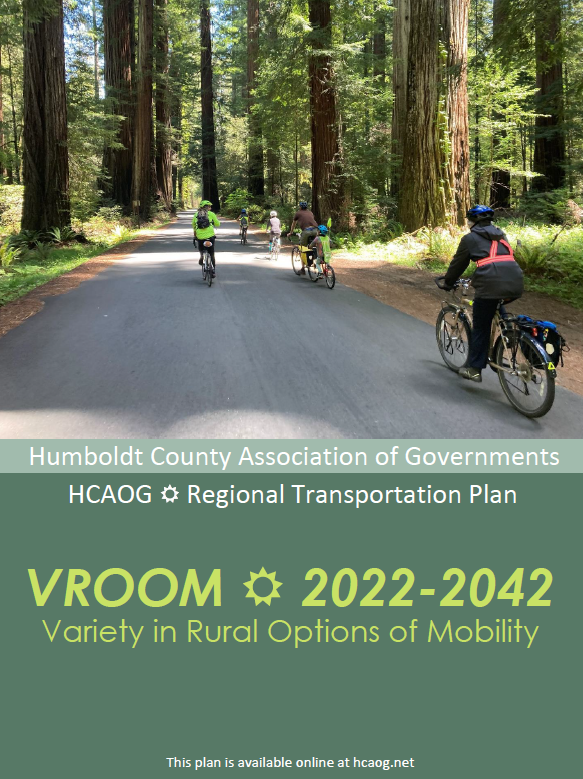
However, one of the most important pieces of the plan is still missing: a policy requiring HCAOG to prioritize funding projects that actually advance its climate and safety goals. Supervisor Steve Madrone spoke forcefully in favor of such a policy at the last HCAOG board meeting, but staff contend that there was “no consensus” for the policy, so they have left it out.
A so-called “Funding Consistency Policy” is crucial to ensure that HCAOG puts its money where its mouth is. The good news is that there’s still a chance to get this policy included the plan. Email your comment in support of a Funding Consistency Policy to amy.eberwein@hcaog.net before next Thursday, or attend the meeting in person or on Zoom to make your comment directly to the board.
Sign the Petition for Safer 4th & 5th Streets!
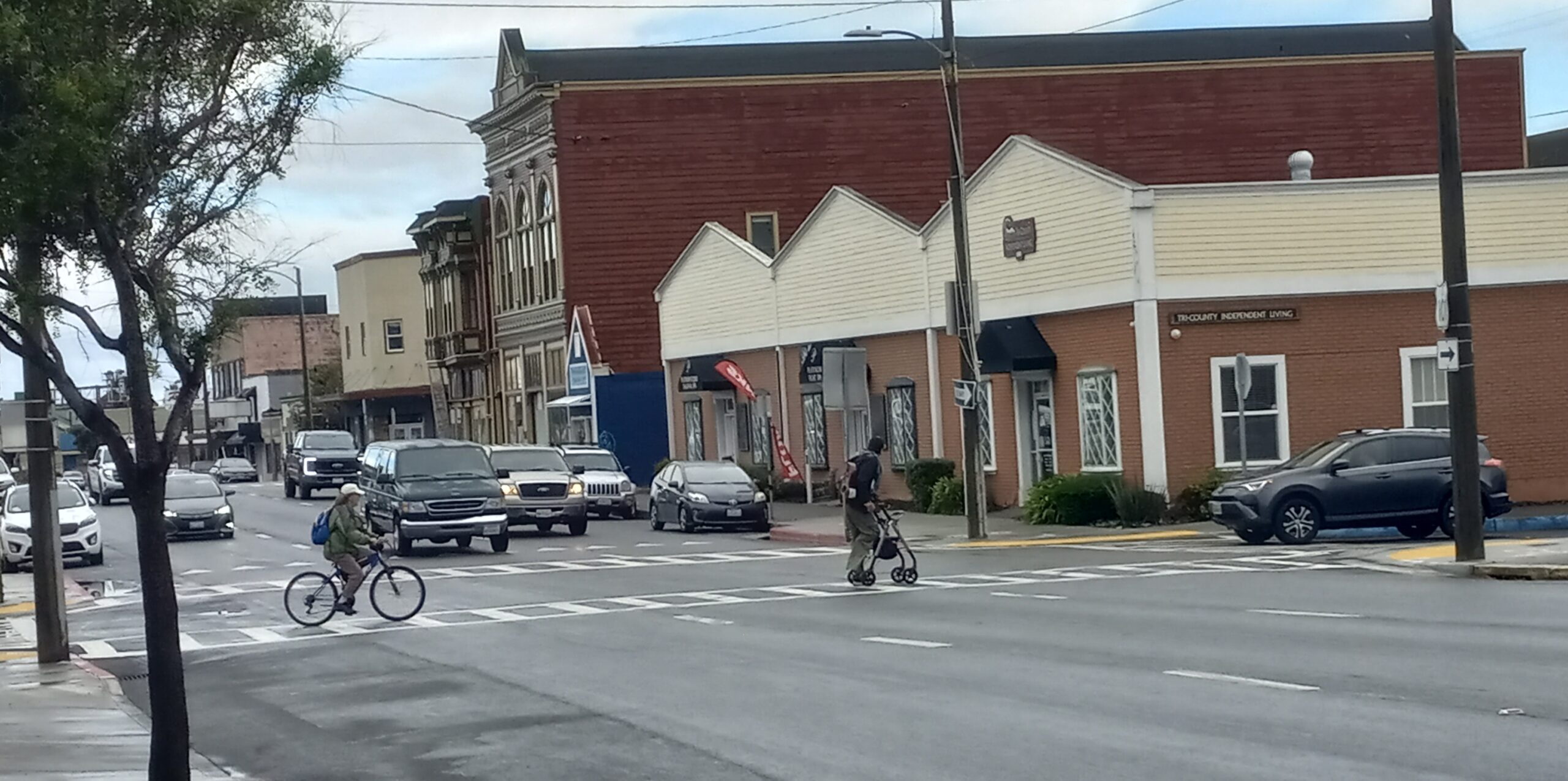
Eureka’s Broadway, 4th and 5th Streets are dangerous. Anyone who lives, works, or travels in downtown Eureka knows that. CRTP’s recent report documents the dangers in detail. A recent crash on 5th Street – involving a driver who jumped the sidewalk, barely missing a pedestrian, and slammed into a local restaurant – is just the latest example of the dangerous conditions.
It’s past time to make these dangerous downtown streets safe for everyone. If you haven’t signed the petition for safer 4th & 5th Streets yet, click here to sign now.
Amazon Distribution Center Coming to McKinleyville?
Amazon has applied to Humboldt County to build a distribution center in the airport business park in McKinleyville. The transportation safety and environmental impacts of this project could be significant.

Amazon says the project is intended to “speed up deliveries.” Faster delivery, however, is one of the main drivers of climate pollution from online shopping. Additionally, anything that encourages online ordering undermines the emissions reductions that otherwise come from building homes within walking and biking distance of local shops.
The distribution center is projected to add 542 (mostly truck) trips to local roads. However, the safety impacts are hard to assess, because the company is claiming that exactly where those trucks go is “proprietary information.” Notably, there are several schools in the vicinity of the airport, and many of the main transportation routes lack bike lanes or sidewalks. Adding more heavy truck traffic to these routes could add to the dangers already faced by people walking, biking, and rolling.
Meanwhile, if you want to weigh in on the future of McKinleyville more generally, there’s a new survey available from Cal Poly Humboldt and various McKinleyville organizations. Let them know how you feel about transportation, development, and other McKinleyville issues!
More Big Transit Changes Could Be Coming
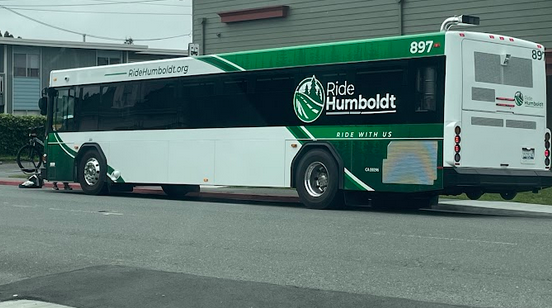
The Humboldt Transit Authority’s Board of Directors last week directed staff to continue developing a new service plan for the well-used Redwood Transit System (RTS). The concept involves eliminating underused stops that require the bus to deviate significantly from the US-101 corridor, and increasing bus frequency to every half hour all day from McKinleyville south to Rio Dell. Eliminating some stops, according to HTA staff, could significantly reduce travel times. For example, traveling from Eureka to McKinleyville on the bus could take only 30 minutes, as opposed to the nearly 50 minutes that trip takes today.
The plan relies partly on replacing the eliminated RTS stops with microtransit service that could deliver riders to the main line. CRTP is cautiously optimistic about this new plan, but we know that before it can be done, we need to make sure the microtransit system is operating effectively. If you want to weigh in on the new route concept – which stops should be eliminated or retained, how often the bus should come, how microtransit should work – you can contact HTA or email kelsey@transportationpriorities.org to get involved in our local transit riders group!
Eureka’s Growing Investment in Walkable Development
City planners have developed a set of changes to the Eureka zoning code that will hopefully lead to more walkable, bikeable, infill development – like the affordable homes currently under construction downtown. The new measures strengthen standards for pedestrian-friendly building designs as well as bike parking requirements, ensuring that new homes and businesses provide secure storage for all kinds of bikes.
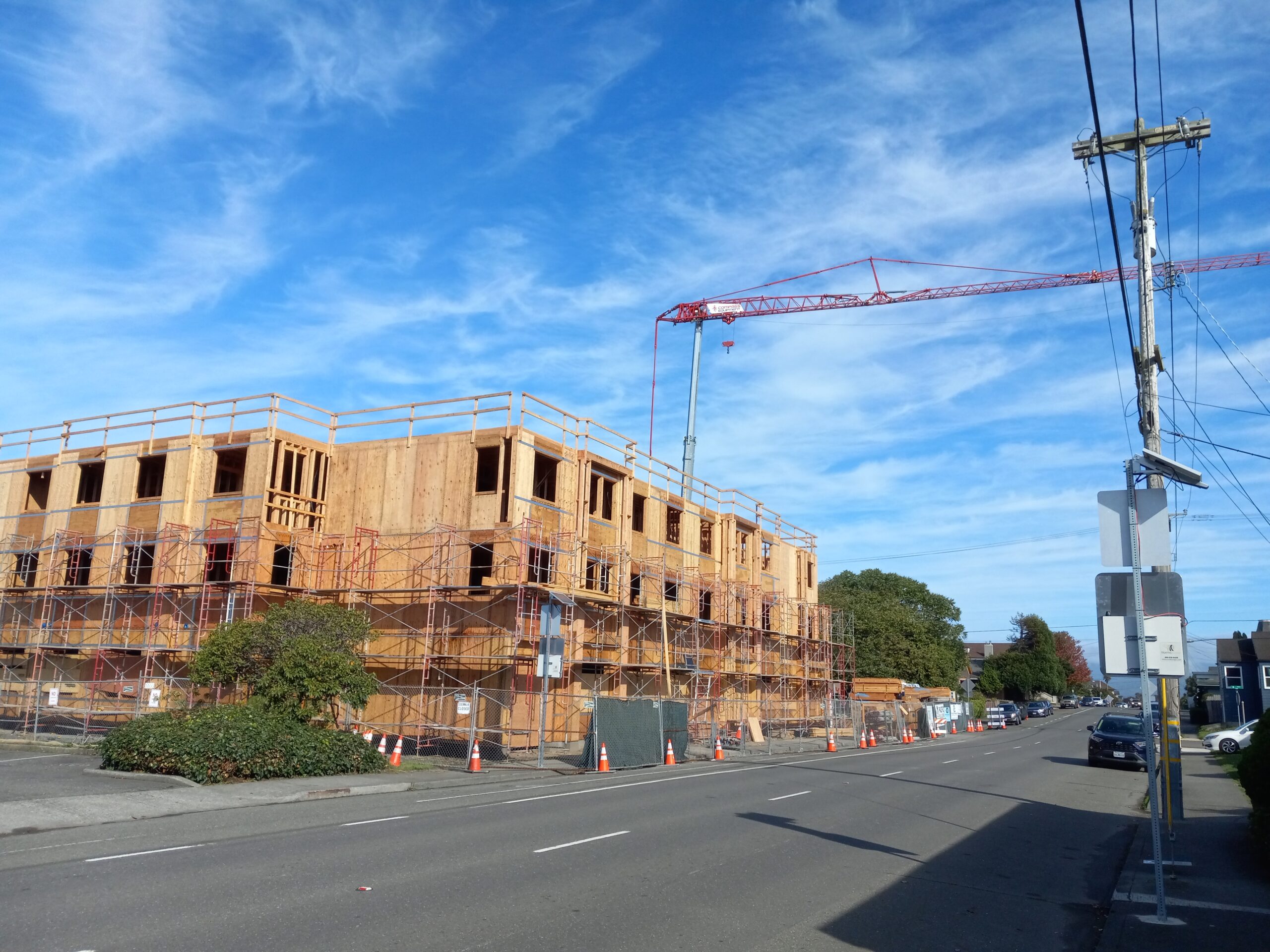
Importantly, if the city council adopts the code amendments, new multifamily housing will no longer be held to the Design Review Committee’s interpretation of vague and subjective aesthetic standards, but will instead be required to meet new specific and objective rules. This simple tweak to the process is anticipated to make a big difference for infill development, because all projects will be held to the same design standards, and builders will know what those standards are from the start.
CRTP strongly supports these zoning code changes. We are also asking the city to add one other measure to the package: removal of costly and unscientific parking mandates. Parking mandates stifle new infill development. They constitute a self-fulfilling prophecy of car dependence at a time when climate and equity policies demand a shift toward supporting other modes of transportation. Removing them may be the single most effective pro-housing, pro-climate reform a community can adopt – and communities across the country, including Arcata and McKinleyville, are doing just that. Eureka should join them!
The Eureka Planning Commission this week recommended approval of the zoning changes, and the city council is expected to take them up in early March. Meanwhile, the city also recently became the latest local government to adopt the Regional Climate Action Plan, which focuses in part on encouraging walkable development.
You Could Be the Next Member of Arcata’s Transportation Safety Committee
Arcata’s Transportation Safety Committee advises city council and staff on everything from new bike lanes to parking policy. It is always in need of members who are passionate about safe and sustainable transportation, and there are currently several vacancies. If you live or work in Arcata, you’re eligible to serve on the committee. Click here for information on how to apply.
News from Beyond the North Coast
Trump’s Biggest Attack Yet on Climate Progress
Trump’s EPA just rescinded the so-called “endangerment finding” which underpins almost all federal climate policy. To put it in simple terms: the EPA is officially denying the mountains of scientific evidence that climate change endangers human health, and discarding all attempts to reign in climate pollution. Since transportation is the biggest source of greenhouse gas emissions in the United States, the implications for transportation policy are likely to be significant.
State Legislators Take on the Most Dangerous Drivers
Following a series of disturbing CalMatters reports, California lawmakers are proposing several bills to keep DUI offenders and drivers who have already killed someone with their car from going out and doing it again. While a lot more could and should be done, these bills would represent some progress toward more accountability for the most dangerous drivers.
The Collector is CRTP’s weekly transportation news roundup, published every Friday. We focus on North Coast news, but we also include relevant state, national and international transportation news – plus other items that we just find kind of interesting! To submit items for consideration, email colin@transportationpriorities.org.